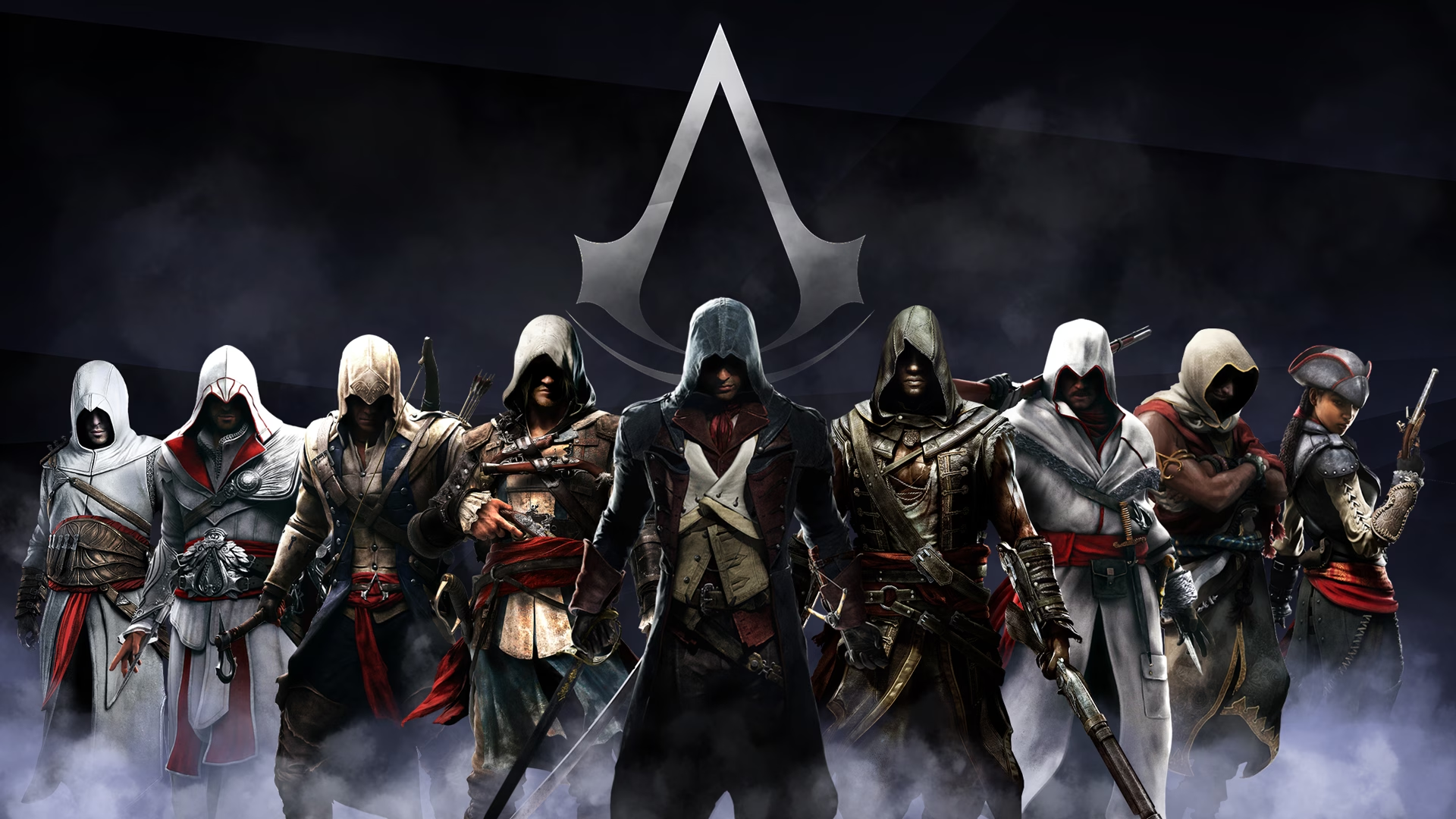
Assassin’s Creed is one of the longest-running and most iconic franchises in gaming. Developed by Ubisoft, since its first title in 2007, the series transports players to some of the most fascinating periods in human history, mixing action, heavy stealth, and historical narrative with sci-fi elements. Below, you can check out all the main games in the franchise in release order, from the beginning to the most recent.
- Assassin’s Creed (2007)
- Assassin’s Creed II (2009)
- Assassin’s Creed: Brotherhood (2010)
- Assassin’s Creed: Revelations (2011)
- Assassin’s Creed III (2012)
- Assassin’s Creed IV: Black Flag (2013)
- Assassin’s Creed Rogue (2014)
- Assassin’s Creed Unity (2014)
- Assassin’s Creed Syndicate (2015)
- Assassin’s Creed Origins (2017)
- Assassin’s Creed Odyssey (2018)
- Assassin’s Creed Valhalla (2020)
- Assassin’s Creed Mirage (2023)
- Assassin’s Creed Shadows (2025)
Assassin’s Creed (2007)
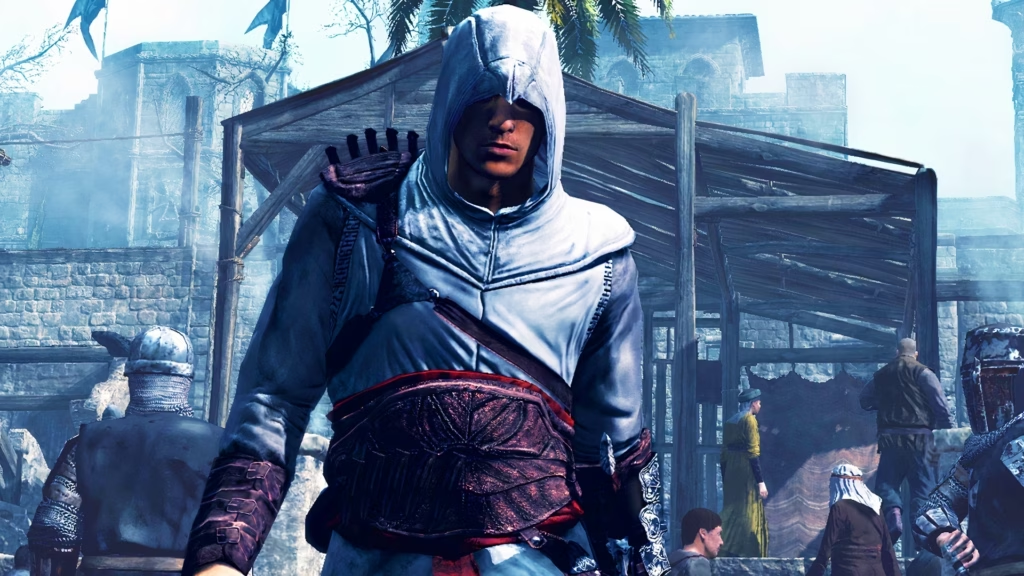
The first Assassin’s Creed follows Desmond Miles, a bartender kidnapped by Abstergo Industries. He is forced to use the Animus, a machine that accesses the genetic memories of his ancestors. Through it, Desmond relives the adventures of Altaïr Ibn-La’Ahad, an Assassin in the Holy Land during 1191. While investigating artifacts known as Pieces of Eden, Altaïr discovers a conspiracy that goes far beyond the conflict between Crusaders and Saracens.
The first game was still raw and sometimes repetitive. However, it already showed the essence of what was to come.
Assassin’s Creed II (2009)
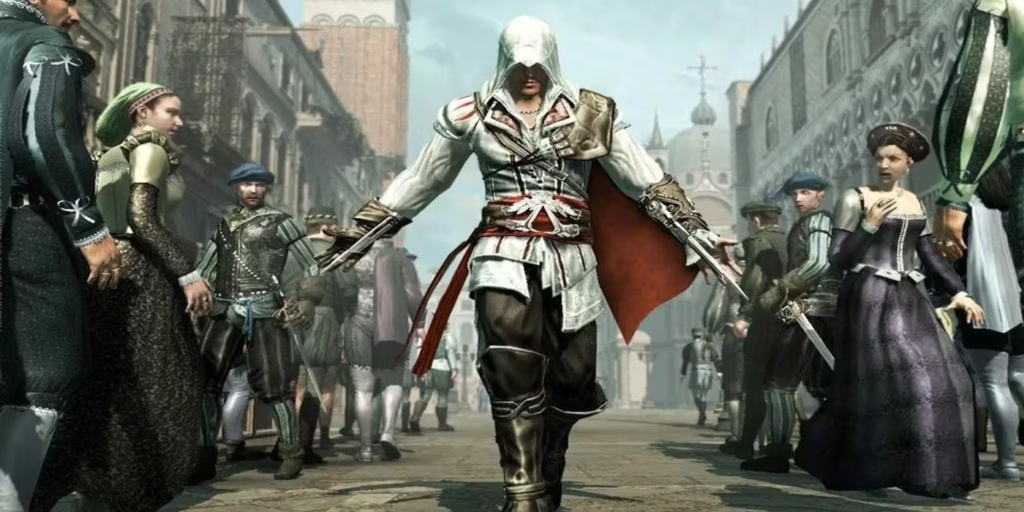
The second game, considered by many to be the best in the franchise, vastly expands the mechanics of the original. Desmond Miles continues to use the Animus, this time to relive the memories of Ezio Auditore da Firenze, a young Italian nobleman from the 15th century who would etch his name into gaming history. After seeing his father and brothers unjustly executed, Ezio embarks on a journey of revenge that leads him to discover his heritage as an Assassin. The game takes place in Renaissance Italy, with stints in Florence, Venice, and other historical cities.
Assassin’s Creed: Brotherhood (2010)
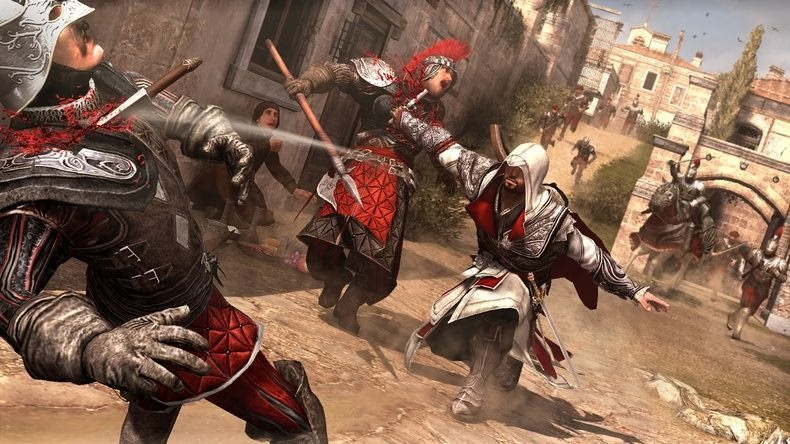
Following the events, and the success, of the previous game, Ubisoft decided to tell us more about the story of Ezio Auditore. This time, Ezio settles in Rome with the goal of destroying the power of the Borgia, the family that controls the city and the Vatican. To do this, he rebuilds the Assassin Brotherhood, recruiting and training new members to fight by his side. Brotherhood introduced the assassin recruitment system and the multiplayer experience to the franchise.
Assassin’s Creed: Revelations (2011)
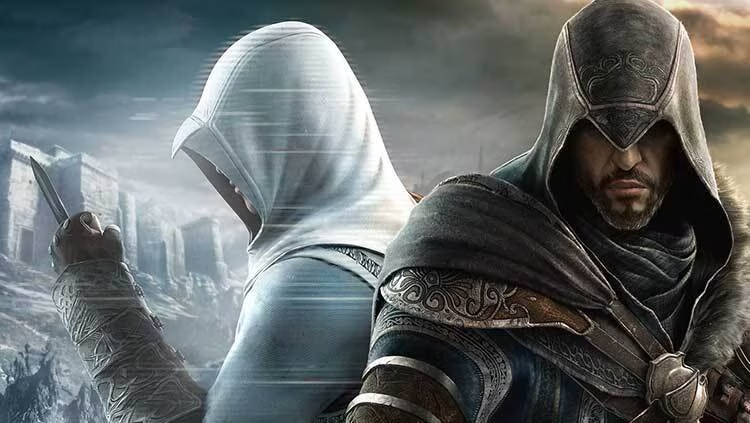
Assassin’s Creed: Revelations came to conclude the Ezio Auditore trilogy, while simultaneously delving deeper into the story of Altaïr, the franchise’s first assassin. Now an older and more experienced man, Ezio travels to Constantinople, modern-day Istanbul, during the decline of the Ottoman Empire, in search of the Seals of Altaïr, which contain the memories of the legendary Assassin.
Assassin’s Creed III (2012)
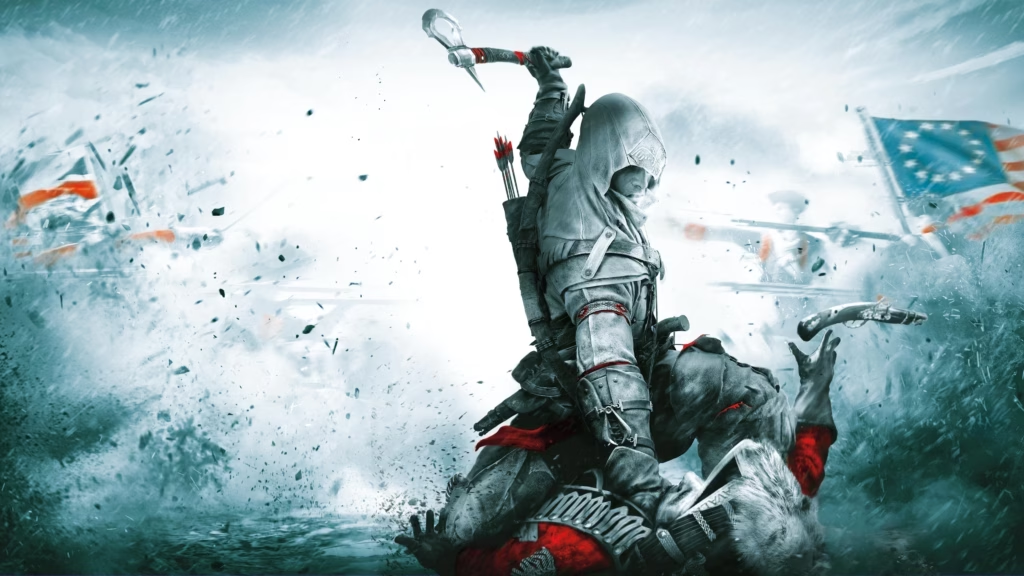
The series makes a leap to a brand new setting: colonial America during the American Revolution. The protagonist is Ratonhnhaké:ton, better known as Connor, the son of a British colonist and a Mohawk woman. Motivated by the destruction of his village, Connor becomes an Assassin and ends up getting involved in the major conflicts of the time, crossing paths with historical figures like George Washington and Benjamin Franklin. Assassin’s Creed III concludes the story arc of Desmond Miles.
Assassin’s Creed IV: Black Flag (2013)
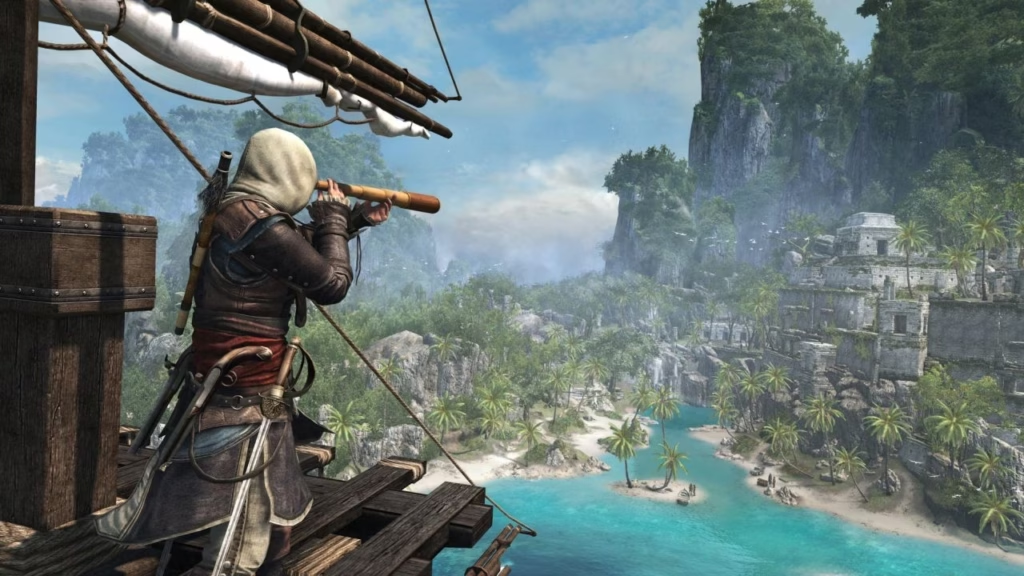
One of the most beloved games in the franchise, Black Flag, dives into the peak of the Golden Age of Piracy, in the early 18th-century Caribbean. The protagonist is Edward Kenway, a Welsh pirate and Connor’s grandfather, who ends up getting involved in the war between Assassins and Templars almost by accident. With a ship named the Jackdaw, the player explores vast oceans, attacks fleets, hunts for treasure, and interacts with historical pirates like Blackbeard and Calico Jack.
Assassin’s Creed Rogue (2014)
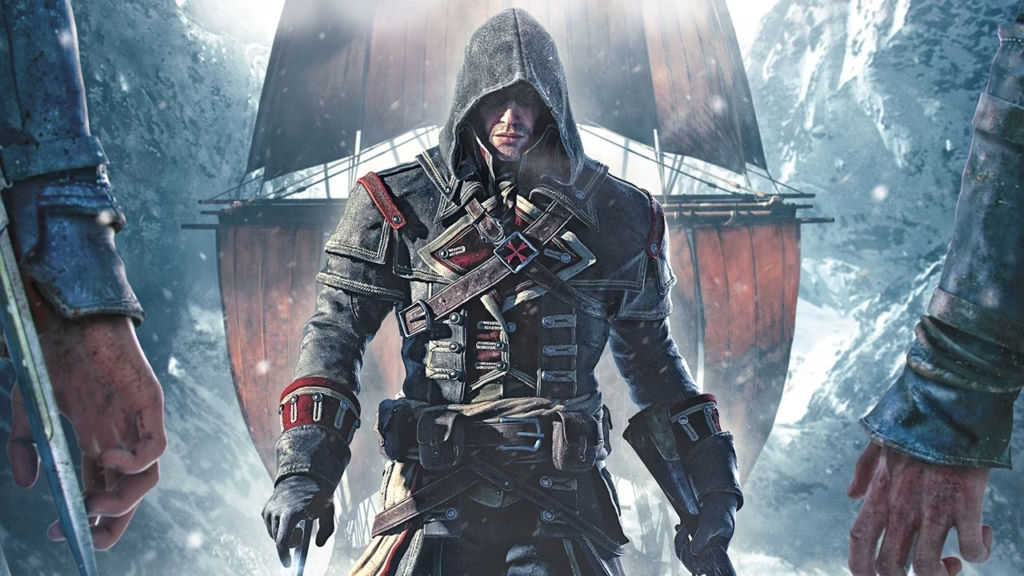
Assassin’s Creed Rogue brings an unprecedented perspective to the franchise: for the first time, the player takes on the role of a Templar. Shay Patrick Cormac, a former Assassin in the service of the Templars, is a young Irishman who, after a traumatic event caused by the Brotherhood, turns against the Assassins during the French and Indian War. The game takes place in the North Atlantic, the St. Lawrence River, and New York, directly connecting the events of Black Flag and Assassin’s Creed III. For fans of Black Flag, Rogue is a must-play game.
Assassin’s Creed Unity (2014)
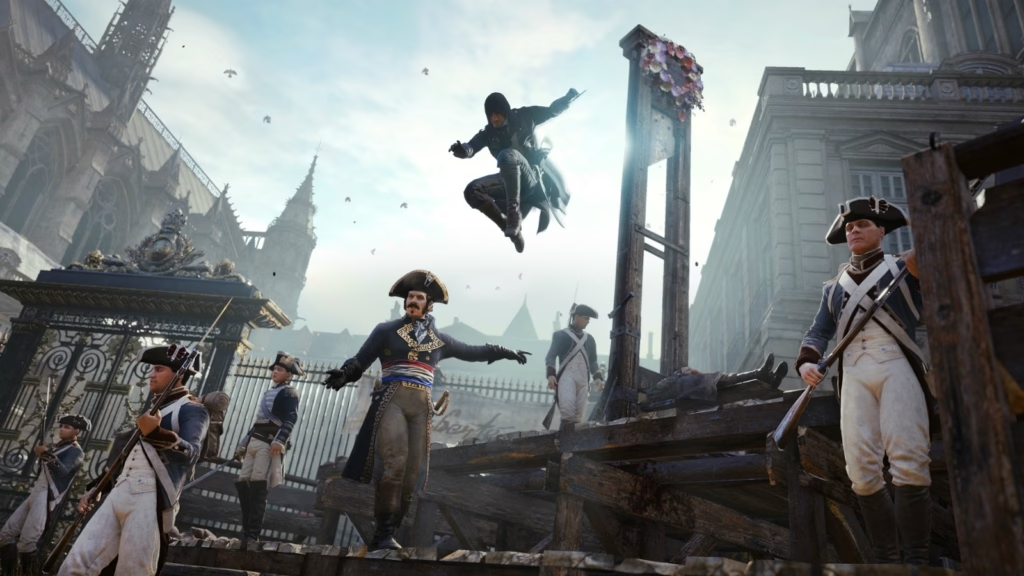
Following the story of Rogue, the franchise arrives at the French Revolution with Assassin’s Creed Unity. With Paris as the main setting, the protagonist is Arno Dorian, a young Frenchman who joins the Assassin Brotherhood following the death of his father, Charles Dorian, who was also an Assassin. Amidst the chaos of the guillotine, popular rebellions, and political conspiracies, Arno seeks both revenge and redemption.
Assassin’s Creed Syndicate (2015)
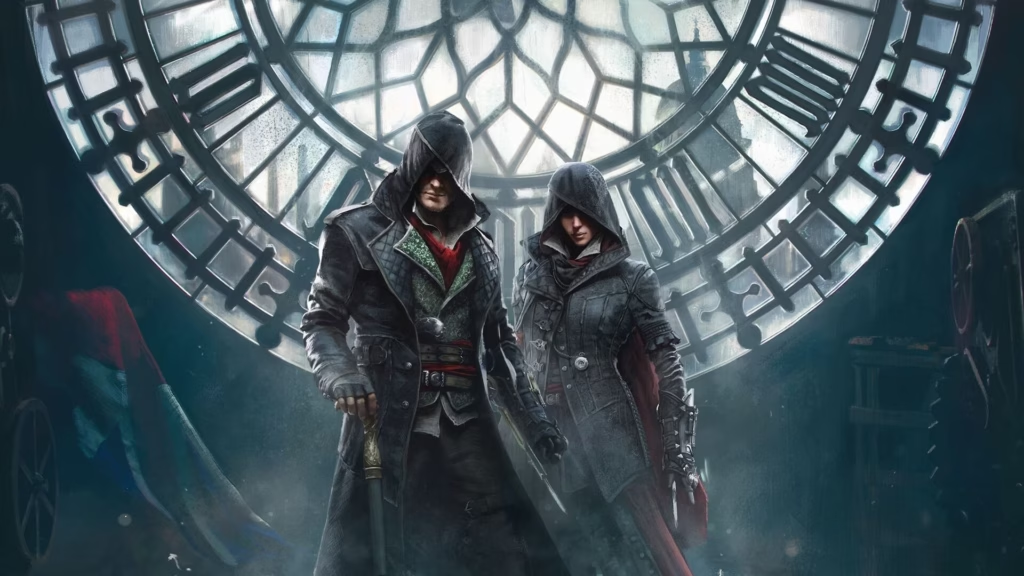
Assassin’s Creed Syndicate advances to Victorian London in 1868, during the Industrial Revolution. The protagonists are twins Jacob and Evie Frye, two Assassins with opposing styles: Jacob prefers direct confrontation and infiltrating the criminal underworlds, while Evie is more strategic and focused on recovering Templar artifacts. Together, they work to free London from the clutches of Crawford Starrick, a powerful Templar who controls the city.
Assassin’s Creed Origins (2017)
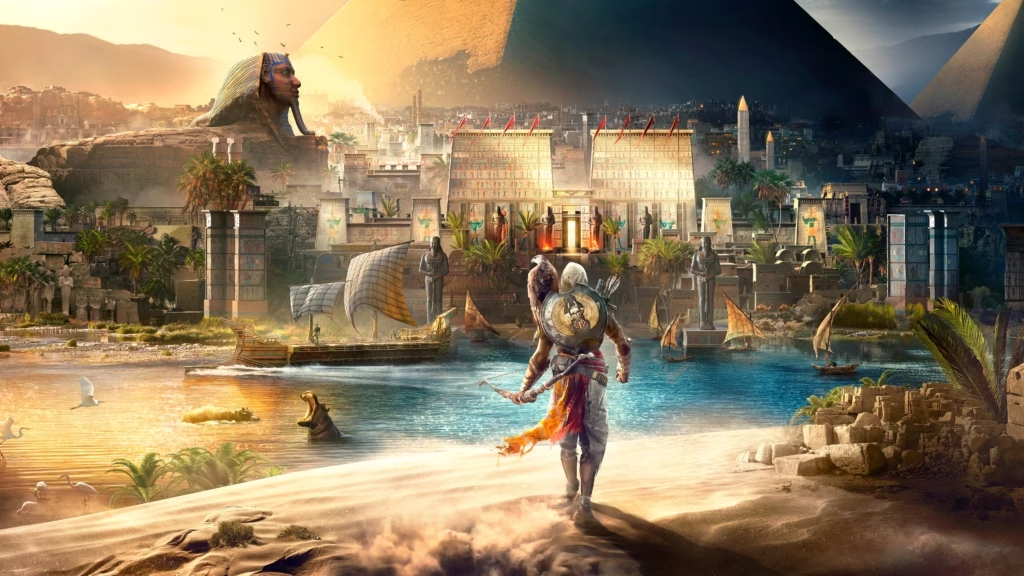
Origins marked a complete reinvention of the franchise, both in gameplay mechanics and setting. The story takes place in Ptolemaic Egypt in the 1st century BC, and follows Bayek of Siwa, a Medjay who, driven by the death of his son, embarks on a campaign of revenge that culminates in the creation of the Assassin’s Creed itself. The game features Cleopatra, Julius Caesar, and Ptolemy XIII as characters, and introduces the RPG-based combat system that would define the subsequent games in the series.
Assassin’s Creed Odyssey (2018)
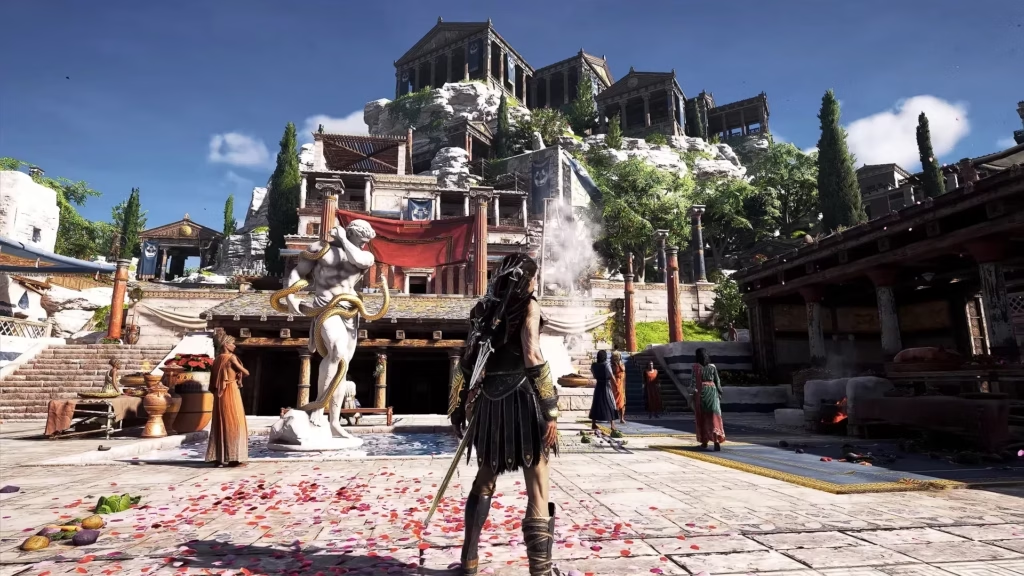
Transporting the series to Ancient Greece in 431 BC, during the Peloponnesian War, Assassin’s Creed Odyssey is the most massive game in the franchise to date, and particularly the one I had the most fun with in the entire franchise. The player can choose between two protagonists: Alexios or Kassandra, mercenaries descended from the legendary Leonidas. The story involves the search for the origins of a powerful secret organization, the Cult of Kosmos, and explores the origins of both the Assassins and the Templars, revealing that their conflicts date back to Ancient Greece. Odyssey deepened the RPG elements even further.
Assassin’s Creed Valhalla (2020)
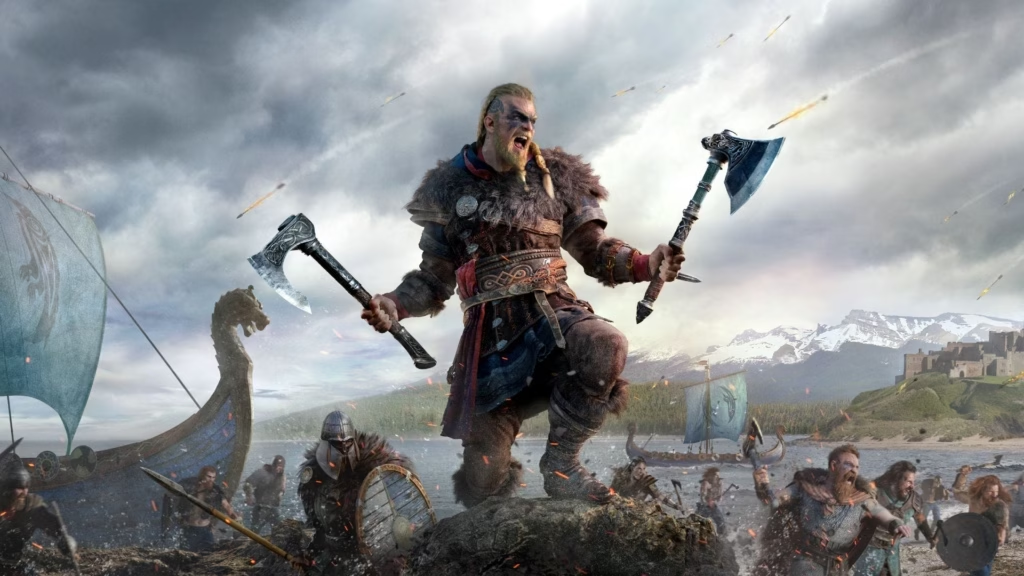
Valhalla takes the franchise to the Viking Age in the 9th century AD. The protagonist is Eivor Varinsdóttir, also known as Wolf-Kissed. This Norse warrior leads the Raven Clan to England in search of new lands and prosperity. While building a settlement, Eivor encounters the Hidden Ones, the precursors to the Assassins. The journey also reveals secrets about the Asgardian Gods that go far beyond imagination.
Assassin’s Creed Mirage (2023)
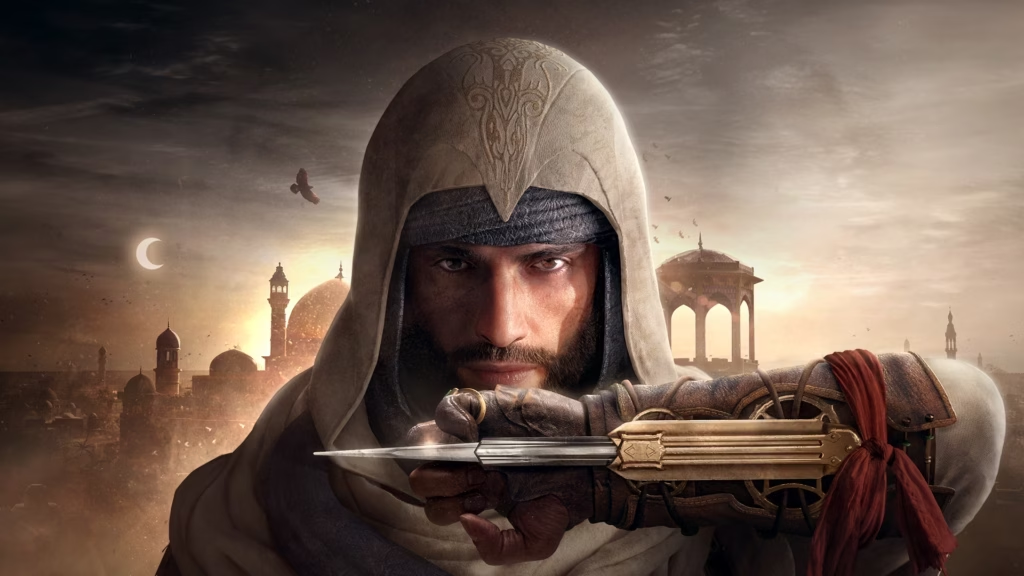
A return to the franchise’s origins in tone and scale. Assassin’s Creed Mirage follows Basim Ibn Ishaq, a character known from Valhalla. The story depicts his youth in 9th-century Baghdad during the flourishing Abbasid Caliphate. Before becoming a Master Assassin, Basim is a young street thief recruited by the Hidden Ones. The game revisits the classic stealth and parkour mechanics of the early titles. It features a more focused narrative and a denser world compared to the previous RPGs.
Assassin’s Creed Shadows (2025)
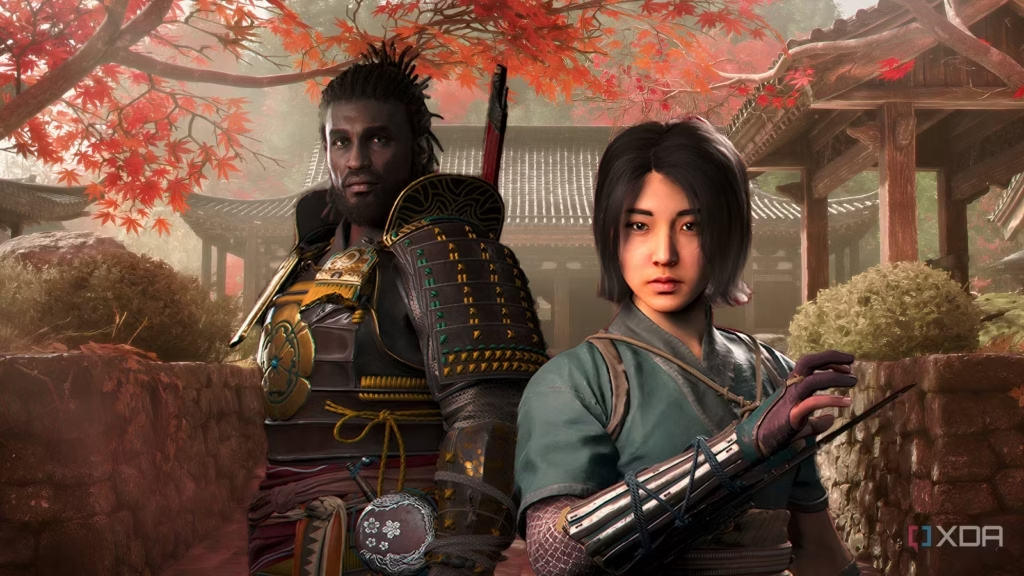
The latest chapter in the franchise, Assassin’s Creed Shadows, takes players to 16th-century feudal Japan during the Sengoku period, an era of civil war and national unification. For the first time, the series features two protagonists with radically different playstyles: Naoe, an agile and stealthy shinobi from the Iga province, and Yasuke, an African warrior who became a historical samurai serving Oda Nobunaga. The narrative explores the conflict between these two characters and their relationship with the Brotherhood as Japan undergoes one of the most turbulent transformations in its history.
